World Public Summit in Salvador, Brazil
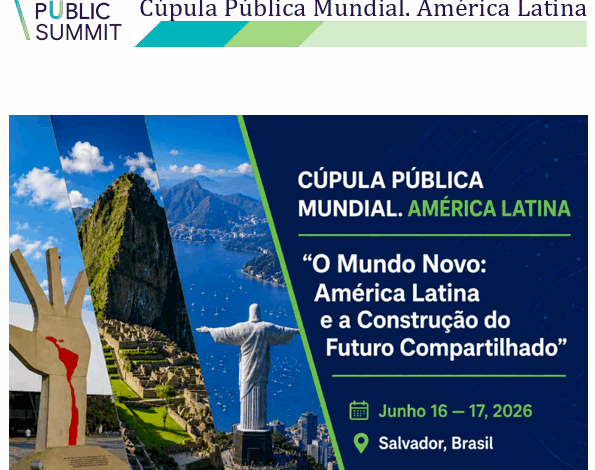
World Public Summit – Latin America to Convene in Salvador, Brazil, Under the Theme “The New World: Latin America and the Building of a Shared Future”
Salvador, Brazil – June 16–17, 2026 – Leaders, scholars, public intellectuals, media professionals, cultural figures, youth representatives, and civil society organizations from across Latin America and beyond will gather in Salvador, Bahia, for the World Public Summit – Latin America, held under the theme “The New World: Latin America and the Building of a Shared Future.” Organized by the World Peoples Assembly in partnership with the Central of Workers of Brazil (CTB), the summit aims to strengthen international humanitarian dialogue and promote practical initiatives that contribute to a more equitable, multipolar, and cooperative world.
The summit represents a significant regional milestone in the ongoing development of the global agenda launched by the 2025 World Public Assembly, “A New World of Conscious Unity.” Recognizing Latin America’s historical role as a crossroads of civilizations, cultures, and social movements, the gathering seeks to amplify the region’s voice in shaping the future of international cooperation and public diplomacy. Participants will explore ways to transform shared values into concrete actions and proposals for the final World Public Assembly scheduled for September 2026.

The two-day program features a broad range of plenary sessions, strategic discussions, and thematic panels addressing culture and identity, public diplomacy, youth leadership, social justice, sustainable development, technology, education, media, and international cooperation. Discussions will focus on Latin America’s contribution to a multipolar world, the role of culture in fostering dialogue, the future of humanitarian partnerships, and the challenges and opportunities presented by technological transformation.
The summit will open with a plenary session titled “Latin America and the Formation of the Contemporary World: Ideas, Culture, Heritage,” bringing together distinguished representatives from government, academia, diplomacy, and international organizations. Throughout the event, specialized forums will address topics such as media trust and digital transformation, scientific cooperation, leadership for a conscious and united world, happiness diplomacy, social and economic justice, women’s leadership, cultural sovereignty, and the preservation of linguistic and cultural diversity.
A strong emphasis will be placed on youth engagement through the strategic session “Generation of Unity: Young Leaders as Architects of Global Solutions,” hosted at the Federal University of Bahia. The session will bring together emerging leaders, innovators, entrepreneurs, and international experts to discuss collaborative approaches to global challenges and the development of practical international initiatives.
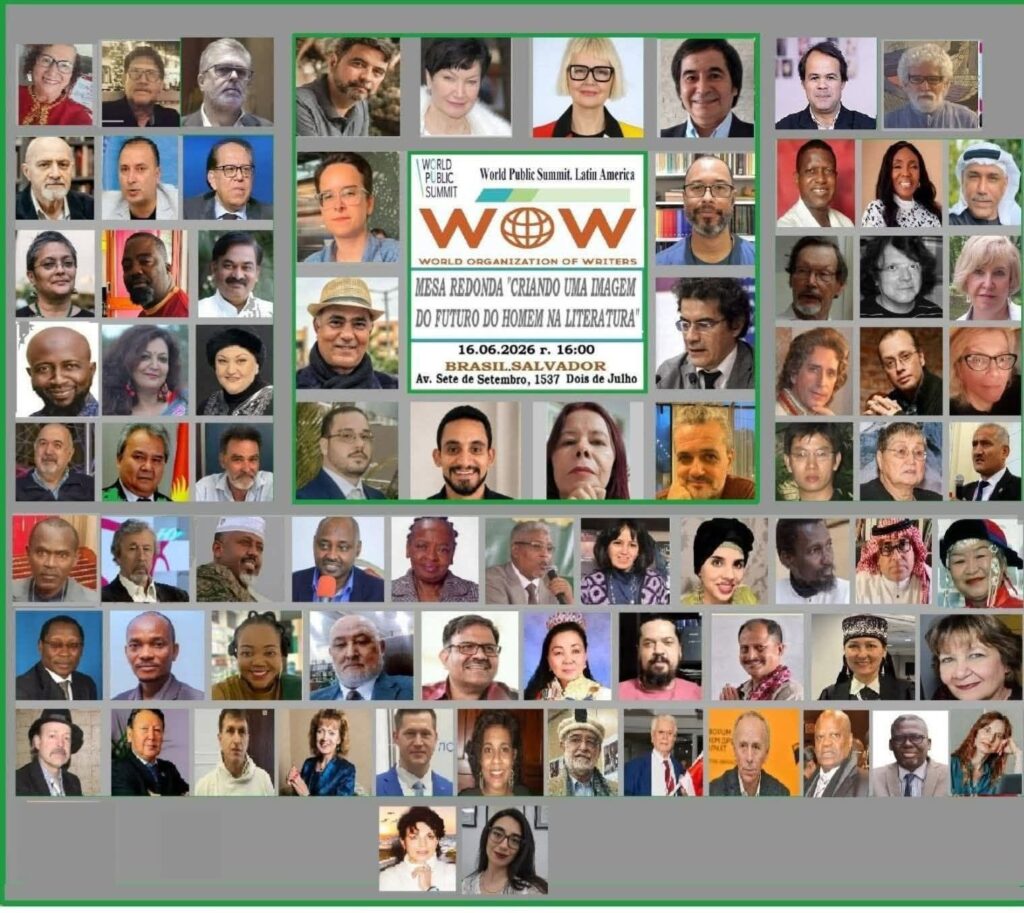
Literature and culture will also play a central role in the summit. A special panel organized in cooperation with the World Organization of Writers (WOW) and the Brazilian Writers Union will examine “Creating the Image of the Human Being of the Future in Literature.” Writers, poets, scholars, and cultural leaders from multiple continents will explore how literature can inspire ethical reflection, intercultural understanding, and positive visions for humanity’s future. Among the international speakers are renowned literary figures from Brazil, Egypt, Tajikistan, India, Ghana, Azerbaijan, Tunisia, Morocco, Cuba, and other countries.
PANEL SESSION“Creating the Image of the Human Being of the Future in Literature”
June 16, 2026 Salvador, Brazil
Organizer: World Peoples Assembly Partners: World Organization of Writers (WOW), Brazilian Writers Union
Objective
To create a platform for interdisciplinary and intercultural dialogue, exploring ways to create and understand literary images of the human being of the future as a reflection of global changes and the ethical and cultural orientations of the modern and future world. Special emphasis will be placed on the role of language in shaping personalities and images. The discussion will focus on the means through which literature inspires, shapes worldviews, and defines the vectors of development for individuals and societies in the twenty-first century.
Relevance
This panel session seeks to understand the factors influencing the formation of the model of the human being of the future, including humanistic ideals, contemporary challenges, cultural codes, and the ethical dilemmas of the technological age.
This international discussion brings together representatives from different countries, literary movements, generations, and scientific disciplines to identify both common and unique characteristics of the image of the human being of the future across a wide range of literary traditions.
The discussion raises important questions about the role of writers and readers in reinventing the future and promotes creative ways to foster new values and personal attitudes among young people and the general public.
During the event, participants will exchange best practices in literary creativity, explore ways of integrating innovation and tradition in literature, and encourage the development of positive scenarios for human progress.
Objectives
- Analyze existing literary concepts concerning the future of humanity and identify their influence on the worldview of contemporary readers.
- Identify the cultural, philosophical, and artistic foundations that shape the image of humanity’s future in world literature.
- Discuss the prospects for integrating the humanities and scientific approaches in modeling the future through literature.
- Present examples of contemporary works that encourage critical thinking, tolerance, responsibility, and creative aspirations among young people.
- Promote interest in reading as a tool for personal and social transformation.
- Initiate a process of collaboration among writers, scientists, educators, and cultural figures to further develop the theme of humanity’s future in literature.
Moderator
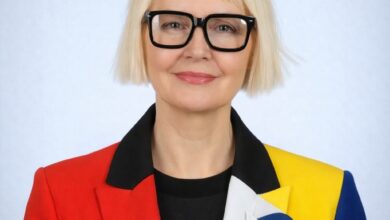
Margarita Al — Poet; President of the Literary Council of the World Peoples Assembly; President of the World Organization of Writers (WOW) (Russia)
Speakers
- João Filho — Writer; M.A. from the Federal University of Bahia and Ph.D. in Portuguese Literature from the University of São Paulo; recipient of the Alphonsus de Guimaraens Prize of the National Library of Brazil (Brazil)
- Alexandra Ochirova — Poet; President of the WOW Council; UNESCO Goodwill Ambassador (Russia, online)
- Timur Zulfikarov — People’s Writer of Tajikistan; recipient of the Order of Sharaf (Glory), First Class; nominee for the 1991 Nobel Prize in Literature (Tajikistan, online)
- Claudio Souza Pereira — Poet, Italian translator, professor (Brazil)
- Alex Leila — Writer and professor of Portuguese literature (Brazil)
- Gustavo Felicíssimo — Poet, columnist, and editor of Mondrongo (Brazil)
- Alice Vieira — Translator from Russian and educator (Brazil)
- Murilo Souza — Poet and writer (Brazil)
- Alberto Andrade — Poet, translator, and professor (Brazil)
- Aleilton Fonseca — Writer, professor of literature, Ph.D. from the University of São Paulo, and President of the Bahia Academy of Letters (Brazil)
- Suênio Campos de Lucena — Writer and professor (Brazil)
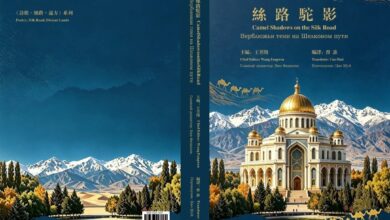
- Ashraf Aboul-Yazid — Poet, writer, Editor-in-Chief of the Silk Road Literature series, and Secretary General of the the Congress of African Journalists (Egypt, online)
- Adel Khazam — Poet, writer, translator, and weekly columnist for Al-Ittihad newspaper (United Arab Emirates, online)
- Rubén Darío Flores Arcila — Poet, prose writer, and translator from Russian into Spanish (Colombia, online)
- Prithviraj Taur — Professor; Head of the Department of Marathi at the School of Linguistic, Literary and Cultural Studies; Director of the School of Fine and Performing Arts, Swami Ramananda Tirtha Marathwada University (India, online)
- Wale Okediran — Writer and Secretary-General of the Pan African Writers Association (PAWA) (Ghana, online)
- Varis Elchiyev — Writer; Co-Chair of the Literary Council of the World Peoples Assembly; member of the Azerbaijan Writers’ Union Commission (Azerbaijan, online)
- Eldar Akhadov — Writer; Co-Chair of the Literary Council of the World Peoples Assembly; member of the Azerbaijan Writers’ Union Commission (Azerbaijan, online)
- Rim Afif — Writer, professor at the University of Tunis, and Editor-in-Chief of Design magazine (Tunisia, online)
- Dyaa Helmy Elfeke — President of the Arab Union for Education; writer, poet, and university professor (Egypt, online)
- Eugène Ebodé — Writer, professor, cultural figure, and administrator of the Department of African Literatures and Arts at the Academy of the Kingdom of Morocco (Morocco, online)
- Alex Pausides — President of the Cuban Poetry Festival; poet, writer, and translator (Cuba, online)
The summit is expected to conclude with the adoption of a Final Declaration outlining shared priorities and recommendations for international cooperation. Additional outcomes will include the signing of cooperation agreements, the launch of humanitarian and educational projects, the expansion of public diplomacy networks, and the strengthening of ties between Latin America and other regions of the world. These results will contribute directly to the agenda of the World Public Assembly 2026, advancing a vision of a future built on solidarity, cultural diversity, social justice, and shared responsibility.
The World Public Summit – Latin America reaffirms the region’s growing role as a center of dialogue, cooperation, and innovation, offering a platform where governments, civil society, academia, media, and cultural institutions can work together to shape a more inclusive and sustainable future for humanity.